Thursday, March 23, 2017

Are Tinted Windows Illegal?

free car check

Car owners tint the windows of their vehicle for a variety of reasons, including security, privacy, appearance, and so on. When you have made the decision to have tinted windows, here are some of the rules and regulations to keep in mind:

  • The intense sun rays can make the fabric of the car seats to fade easily. It can also contribute to the damage of leather seat coverings. The films that are available today are quite effective in blocking the damaging UV rays by up to 99%. Blocking these harmful rays does not only helps prevent you from skin cancer, but is also easy on your pockets.
  • Car window tinting has different laws in every state, as each one has established restrictions regarding the Visible Light Transmission percentage through the car windows. There are states that provided limits on how dark a film is allowed, while some others have completely banned people from tinting their two front windows and windshield.
  • If you are using a recreational vehicle, it is best to determine what sort of filming you are able to use. In most states, RVs are only permitted to use non-metallic films considering that they are also non-reflective.
  • It is advisable that you get the windows of your vehicle tinted by a professional. Even though window tinting is not difficult at all, a shop that specializes in the job will do it correctly, plus the film can last much lasting. Consider asking the shop to present you a compliance certificate just in case you get questioned by the law enforcement.
  • If you opt to tint the windows by yourself, you should thoroughly clean the windows before anything else. Then, cut the film exactly the same size as your car window, and install it with an adhesive. Smoothen the surface of the newly tinted windows with a squeegee to remove bubbles. Do not roll down or wash your windows yet until the film has totally bonded.
  • The cost of window tinting will primarily depends on the size of the vehicle and the kind of film used. Performance warranty is another factor in the cost, together with how credible the provider is. It the brand and tint type also determine the cost.

So, if you would like to get the windows of your tinted, consult with the authorities with regard to the legal guidelines as per your state before you continue. Basically, it is not just about privacy, and get a classy appearance, because it is also protecting your body from direct sunlight.

Monday, March 20, 2017

How To Fix A Radiator Leak

car fax

A leaking radiator can happen in your car over time, and this requires immediate repair. The most noticeable signs of this condition are the overheating and low coolant level of the engine. Should you continue to drive your automobile with a leaking radiator, you will soon smell a burning coolant underneath the hood of your car. Also, you will see a slimy puddle dripping from your vehicle. This is just the anti-freeze coolant that is dripping from the defective radiator. Fixing it is a simple process that you can do all on your own, if you know some basic skills in car mechanics.

Depending on your car model, you will see whether the radiator is made from aluminum or copper. If you know the functionality and location of a radiator, then you have no trouble fixing it immediately. Many people prefer to use duct tape and ground black pepper for temporary repair. You may also opt for a radiator leak sealant that is particularly meant for repairing a leaky radiator. Follow these easy steps to fix it right away:

  • The first thing you should do is to find the exact leaky spot. Look for a puddle or a hole in the radiator. A simple solution is to wash the radiator and the hose with water to be able to find the leakage. You may also put the radiator inside a tub filled with water and check for any air bubbles getting out from the car radiator.
  • Next, you will need to patch up the leakage. If the leak is found in the hose pipe, a duct tape is a good approach to fix the condition. In case the leakage is within the radiator itself, then work with a radiator leak sealant, according to the instructions given in the kit. If you opt to use pepper powder, pour 1 to 2 teaspoons of it in the radiator. Pepper powder is an effective sealant that instantly lodges in the leakage. The pepper swells up once it comes in contact with water, therefore repairing the leak efficiently.
  • After you have used the pepper powder or the radiator sealant, increase coolant to the right level. Next, close the radiator cap and inspect once again for any leaks. If you find any, carry on with the steps that are mentioned above again, until there are no indications of leakage anymore.

However, keep in mind that these are just temporary solutions, and you will want to get in touch with a professional auto mechanic as soon as you possibly can.

Friday, March 3, 2017

Coomon Brake Problems

free car check

Brakes are one of the most popular DIY repairs. If your car is having braking problems, whether it’s weak brakes, a mushy pedal, grinding sounds, or a squealing noise, it needs to be diagnosed and repaired as soon as possible. Waiting will only lead to more expensive parts wearing out and requiring replacement.

Here’s a quick review of some of the more common brake problems and troubleshooting tips you may find helpful:


Squeals

Commonly caused by vibrations between the disc pads and caliper, which can be cured by resurfacing or replacing the rotors, installing new pads and pad shims, or applying brake grease or noise compound to the backs of the pads.

Car Pulls to One Side During Braking

This can be caused by a sticking brake caliper or plugged rubber brake hose. Try to determined which brakes are dragging and check for sticking caliper first. You will also notice the pads on one side of the car may be worn more than the other.

Brakes are Slack

You are applying pressure to the brakes and very little is happening. Most likely this is because the cable has not been properly tensioned. It could also be however that the cable is slipping through any fixing bolts on the caliper arm and the bolt will need to be tightened.

Loss of Brake Pedal

This condition is usually a result of brake fluid leakage due to failure of a brake hose or a rusted metal brake line, a worn wheel cylinder or brake caliper, or a worn master cylinder. A simple "once over" of the system will reveal what's going on.

Soft Brake Pedal

When it does, it can leak brake fluid, causing a drop in hydraulic pressure to the brakes. A soft brake pedal is the result of a loss of hydraulic pressure. You should have your vehicle seen by a mechanic immediately if your master cylinder is worn out or leaking.


Thursday, March 2, 2017

Why is My Car Making a Squeaking Noise?

carfax free

Fixing a car is much easier when you know what the problem is. Your car produces a lot of different noises. While some are completely normal, others signify that a bigger problem might be present. Here's a quick guide to the sounds your car might be making and what they mean.

Sputtering
When your car loses power and has discolored white or black smoke, you may have major issues. Anything from ignition control modules to head gaskets can be at fault.

Whining
A constant whine when the car is in motion could indicate worn gears in the driveline, usually in the differential. It could also mean the differential fluid needs to be replaced.

Clunking
Clunking noises when you?re braking is usually a sign that a brake caliper is damaged, missing or not mounted properly.

Creaking
If your car is making a creaking noise when you turn the steering wheel it could just be an issue with your power steering. Pay attention to where the noise is coming from, because if it is coming from under the hood it could also be a problem with your car?s struts.

Hissing
A hissing noise while idle can mean that one of your hoses is cracked or has come loose. You should have your vehicle serviced immediately if you notice this noise accompanied by steam from under your hood.

Friday, February 24, 2017

How Do You Protect Your Car From Hail?

car reg check

Every year, hail storms pound the country causing millions of dollars in destruction. Even a brief hail storm can cause significant damage to your car. Keeping your car under cover during these times will offer the greatest protection against damage.

Here are other ways to protect your car from hail damage.

Plan ahead. If a storm is forecast, make arrangements to park your vehicle under cover, delay your trip or use an alternative mode of transportation.

If caught in a storm, look for safe shelter. Options include bridges, service station awnings and covered car parks or ramps.

In a severe storm, avoid parking under trees as branches could fall on your vehicle.

If you have to leave your car outside, cover it with a thick blanket or hail car cover to minimize hail’s impact.

If there’s nowhere to go, stop your car. The impact from hail is stronger when a vehicle is in motion.

At home, park your car in a garage or carport. If you don’t have a covered parking spot, consider a specially designed car cover to minimize vehicle damage.

If nothing else, consider duct taping heavy blankets to your vehicle.  Moving pads work well. During the taping process, it is recommended to do so towards the bottom of the vehicle so that the sticky residue doesn’t have an effect on the vehicle’s paint.

Tuesday, February 21, 2017

How to Pinstripe Your Car


Car pinstriping is one of the best ways to make your vehicle very unique. Pinstriping has been used commercially since the 1800s, and is a definitive style for the decoration of style. Pinstriping can be as plain or as fancy as your patience and level of skill allows.

Pinstriping is, as one may gather from the name, the use of thin “pinstripes” in ornate decorative patterns, commonly used on automobiles and motorcycles. Pinstripes are usually done in two colors: one that compliments the body color, and another, thin line, which contrasts to make the stripe stand out.

Before you start, the vehicle surface must be absolutely clean—no grease, wax or polish. If it's not, you'll have paint adhesion problems with the stripe.

Mechanical Pinstriping

A mechanical auto pinstriping is the best for striping long areas like trucks, vans, or station wagons. The main advantage is that it puts down stripes of consistent width, letting you concentrate more on keeping the contour of the stripe aligned along your work surface. The Buegler pinstriper and accessories are one of the preferred by body shops and pinstripers for their high quality construction and consistent operation.

Striping with Stencil Tape

There are several different stencil tapes that are suitable for almost any auto pinstriping application. Stencil tapes let you lay down stripes of different colors without waiting for the other stripes to dry. Stencil tape striping requires brushes: the pinstriping brush is the most important element for an excellent final result.

Freehand Striping

This method is the most advanced one and requires the most practice to master, but offers unlimited flexibility. The easiest method for the freehand striping novice is to lay down a strip of masking tape about ¼ inch from where you would like the line to be. Use the tape as a visual guide for your stripes. Do not use standard masking tape for edging pinstripes. the pinstriping paint will seep and bleed under the edge of standard masking tape. The pinstriping can be as plain or as fancy as your patience and level of skill allows.

Thursday, February 9, 2017

How To Repair A Punctured Tire

free vin check

A punctured tire happen as a result of several factors; low quality tire, sharp object on the road, rough roads or an inbound tire pressure that causes it to burst. While you do not know where and when the puncture could happen, what you can do is not to get off guard. Be always ready with all the right tools to help you repair a tire puncture no matter where you are. These include:

Tire Spray

This is an essential tool to help you seal punctures temporarily before you go to the mechanic. It can save you from a lot of trouble especially if you have no spare tire with you. This kind of spray seals small punctures quickly so that you can continue with your journey for the time being. It is also useful to people who have no idea how change tires.

Spare Tire

Be it a large or a small puncture, a spare tire is an absolute must have. You cannot tell when a puncture requires a change of tire. This is why you should have a spare tire always in your vehicle. Besides, many punctures cannot be repaired quickly if you are not an auto mechanic. Even if you know how to fix a tire puncture, you may not have enough time to get it done if you are in a big hurry.

Jack and Spanner

Even if you have a spare tire in your car, you cannot do anything if you have no jack and spanner with you. Unless you have a number of strong people to help you lift the vehicle, it is useful to have a jack on hand. A jack is what you use to lift the vehicle to remove the punctured tire from its position and put the spare tire. On the other hand, a spanner is used to unfasten the nuts on the punctured tire and fasten the nuts on the spare tire to ensure that it is held firm on the car.

Ultimately, you should know when it is time to say goodbye. Needless to say, no tire can last forever. Check if the puncture of your tire is bigger than a ¼ inch in diameter, if your car has been driving on a flat tire that is potentially causing a zipper or blowout, or if the puncture is located on the shoulder/belt edge.If you see any of these signs, then it is time to get rid of the tire. Also, check the manufacturer’s policy of your tire for repair limits.

Friday, February 3, 2017

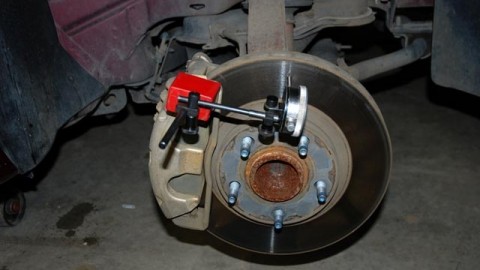
How Do You Know If Your Brake Rotors Are Bad?

carfax used cars

With regards to automotive safety, the brake system is on top of the list, so have your brakes checked by an auto service professional at least once a year. Learning the key warning signs that your brakes may need maintenance will go a long way toward keeping you and others safe on the road.

It starts off as a faint sound in the beginning, but eventually it become noisier and more obvious. A smell, feeling, or sound can be the start of a brake issue that is worth investigating sooner rather than later. Waiting on brake repair inevitably can result in something more expensive and more parts wearing out that could have been saved if the repair was done sooner.

Listed below are five of the most tell tale signs that you need a brake inspection.

1. Listen for screeching, grinding or clicking noises when applying the brakes. These noises aren't normal and shouldn't be ignored. Abnormal sounds are often an indication that it's time to replace a part in your brakes.

2. You feel your car pulling every time you push down on the brake pedal. That's a good indication that the brake linings are wearing thin.

3. Look for wear between the wheel's spokes. Look for an outer pad; it should be pressed against a metal rotor. If you see less than 1/4 inch of pad, you may want to have your brake pads inspected or replaced.

4. Sometimes, a vehicle will vibrate when you come to a stop. This is more than just a nuisance; it could mean something's wrong with your brake rotor, among other things. Have your brakes and your tires inspected to identify the exact problem.

5. If your brake warning light is illuminated in your car it is time to schedule a brake test As soon as possible. There could be serious issues going on with your brakes and it is not smart to delay an inspection.

Wednesday, February 1, 2017

Car Security Devices

carfax used cars

Because a car is a valuable investment and fairly easy to resell, this makes it a primary target for criminal and thieves. To help protect the cars and minimize this ever-increasing crime, the majority of cars today are designed with the most advanced security systems. These car alarm systems consist of signals, sirens and sensors that produce a warning alarm in the case of a car theft. Some of these modern alarm systems for cars include:

Door Sensor

It instantly responds whenever a thief attempts to open the door of a car. The sensor is connected either to the interior lights or to the siren of the vehicle. Most security systems use a switching device built inside the automobile. The moment the thief starts to open the door, the door transmits the electricity to the interior lights and thus will probably scares the thief away.

Shock Sensor

This works on a basic principle, by which when a thief moves or hits the vehicle, the sensor transfers a warning sign based on the intensity of the automobile motion. Therefore, once the car experiences a shock and receives an unfamiliar change in its pace, then a full scale signal alarm goes off. Sometimes, the sensor is attached to the fuel engine that stops supplying fuel, once a sudden drastic change is detected in the intensity of its motion.

Window and Pressure Sensors

These kinds of sensors work well in detecting broken car windows. These are attached to a microphone that is found in the computer-controlled system. If a thief tries to break the windows of an automobile, the sensor identifies the air pressure and  sound of the car. The mic inside the car monitors the air variations and air pressure, converting them into electric signals and transmitting them to the system. By doing this, it activates the siren as a way to alarm the criminal.

Motion and Tilt Sensors

These are really useful in the event that a thief attempts to tow the vehicle to another place. The sensor is made up of perimeter scanners that monitor any kind of lifting, tilting and even a slight movement of the vehicle. This way, you can easily keep tabs on all the activities taking place in a predetermined perimeter in the parking area. If the radio transmitter scans a motion, it sends signals to the receiver monitors.

All these car security systems are extremely effective in protecting your car against thieves. Keep in mind, choose an alarm with a loud siren, otherwise it will not be capable of deterring thieves.

Monday, January 30, 2017

Things to Check on a Car Before a Road Trip


carfaxonline


If you do not like getting late at an appointment or stuck down the road as a result of automobile breakdown. Here are the things you need to check before driving your vehicle. Do this preferably before you begin your day:

Checking Outside the Vehicle

• Check if the tires are inflated properly. It would be better if you are using a pressure gauge. Regardless, simply examine if the pressure is noticeably low in all the tires. Also, it is better and safer to check them every two weeks and re-inflate them to their ideal pressures, including the spare tire.

  • Check underneath your vehicle and even at the top. Stray cats and dogs might even be there. There is actually no need for an explanation for this one.
  • If you are one of the people who often park their vehicles in public parking spaces, then you are definitely aware of the unwanted pamphlets and ads that are purposely stuck under the mirror housings, door-handles, wiper blades, just about anywhere. Needless to say, check for them before you get in your car.

Checking Inside the Vehicle

  • Examine and adjust the position of the seat as well as the rear view mirrors. Having a comfortable driving position is absolutely necessary while driving.
  • See if the car headlights, A/C, along with other electronics are shut off before turning on your engine. Most likely, your vehicle will start without any trouble even if they are on, but they can affect the life of your car battery. And, it could ruin the important electrical wiring in many modern automobiles.
  • As you turn on the ignition, wait for every warning light to illuminate in the group of instruments before you start your car. As soon as you start the vehicle, all of the lights should disappear shortly after, except for the handbrake signal light. In the event that any light stays on such as the battery or oil level indicator, have your car examined from an authorized car service center.
  • Another important thing to do inside you car is to check that all the indicator bulbs or headlamp are functioning perfectly. And although the use of horn has to be minimal, it is still necessary to make sure that it is working properly.

The ideas mentioned above are some of the basic things you need to check both at the interior and exterior of your car, before you begin driving. It is always a good idea to take a few seconds to examine whether your car is in its best condition to travel. All these will help save you some money and make your journey on the streets much safer.

Friday, June 24, 2016

How To Prevent Car Theft


Most of us don’t think about car theft prevention until it’s too late. But the fact is, learning how to prevent a car theft is knowledge you need. Here are a few tips to help you prevent your car from being stolen.

Get instant vehicle history at VinAudit, in reports that contain title problem checks, junk, salvage and insurance record checks, accident checks, and odometer checks, as well as vehicle and title information showing historical title registrations and detailed vehicle specifications.

Always lock your doors and windows and keep the keys with you. Even with today’s remote keyless entry systems, a surprising number of motorists still don’t bother to close their windows and lock up their vehicle. Never hide a second set of keys in your car. It might seem like a good idea, but thieves know all the hiding places.

Try to park your car in a secure attended car park if you are leaving it anywhere public. Park your car under a street lamp or in well lit open space if possible. If you do use a parking garage, try to park as close to the attendant or a security camera as possible.

Use the security features your car already has. Many modern cars have systems which enable them to lock automatically as you pull away. Enabling these systems will help protect you of having your car stolen.

Use a steering wheel lock. Steering wheel locks make it very difficult for thieves to drive away with your vehicle. They could be a good investment especially if you park your car on the road at night.

Park your vehicle with wheels turned toward the curb. Many car thieves use tow trucks to steal vehicles, so make your car tough to tow away. Wheels should also be turned to the side in driveways and parking lots so the vehicle can only be towed from the front.

Have your car’s vehicle identification number (VIN) etched on each of the windows. Car thieves want to get off cheap. They don’t want to go to the expense of replacing all the glass. This would deter a thief planning to disguise the identity of your car by changing its appearance.

Friday, April 15, 2016

Things to Do to Your Car Before a Road Trip

free vehicle history report

Planning on going on a road trip soon? Before you do so, you should have a look at your car to ensure that it is in good condition and running smooth. This will help you to drive safe and prevent any malfunctions or mechanical issues. Let's look at several of the auto maintenance related problems you could encounter on a road trip and what you might do to prevent them.

Check the brake system. Brakes are probably the most essential component regarding safety of your vehicle. Make sure your brake pads are thick enough, so you don't have malfunction down the road.

Check the tires. If the tires are exhibiting any tread wear, replace the tires. If the tires have uneven tread wear, check the alignment too. Make sure all four tires and the spare are inflated to proper tire pressure.

VinAudit is a startup in the vehicle history marketplace. A first level consumer access provider for the National Motor Vehicle Title Information System, offering reports at a fraction of traditional costs. After launching in 2011, VinAudit.com has been providing VinAudit VIN check reports to consumers, dealers and industry partners.


free carfax

Check the spare tire. Make sure your spare tire is in good condition. The inevitable flat tire never happens at a good time, and no one wants to be trapped in the middle of nowhere with a spare that's just as bad as your flat. While you're at it, make sure you have a working jack and tire iron.

Check the cooling system. The cooling system check up will reveal leaks and weakened hoses. Replacing worn parts, like the radiator cap or water pump may be indicated. Although cooling system failure is fairly common, it's easy and relatively inexpensive to prevent with proper maintenance.

Check car fluids. This consists of oil, power steering fluid, transmission fluid, antifreeze, windshield washer fluid and brake fluid.

Check that the gas cap is not cracked or damaged. Make sure it is tight so no gas will vaporize.

Check to make sure all lights are working. This includes brakes, turn signals, headlights and taillights. If you are driving a truck with running lights or a motorhome, make sure all running lights are working.

Check air filters. Replacing dirty or clogged air filters on older vehicles can boost gas mileage. It will improve acceleration and performance on all vehicles.

Check the hoses and belts that can become cracked, brittle, frayed, loose or show symptoms of excessive wear. These are necessary to the proper functioning of the electrical system, air conditioning, power steering and the cooling system.

Make sure your car's battery and cables are firmly attached and free of corrosion. Car batteries typically last three to five years.

Check the windshield wiper blades. You don't want to be stuck in a rain storm with wiper blades that are worn and tattered. Replace these before an upcoming road trip, just to be on the safe side.

Do a tune up. If it has been a while since your last maintenance update, do the recommended maintenance for your car. If you have a timing belt and you are within a few thousand miles of the replacement time, have the timing belt replaced.

Tuesday, April 12, 2016

How Do You Change a Car Battery

vin number check

When jumper cables no longer work or your car headlights dimming, it may be time to replace your old battery with a new one. Changing a car battery is one thing that most people will be able to do themselves. Keep track of your battery's life and replace it before it leaves you stranded.

When working on your car battery, remember to keep all of your metal tools away from the posts and the battery so as to lower the odds of an electrical discharge. It's also recommended that you wear eye protection in the unlikely event that battery acid is released from the battery.

free car check

Steps on How to Change a Car Battery

Shut off your engine. Make sure that your vehicle is in Park, with the engine shut off and the parking brake on.

Remove the cigarette lighter and plug the memory keeper into the socket. If you don't have a memory keeper make sure you have all the PINs for your electronic equipment before you start. Consult your car manual to see which devices may be affected.

Open the hood and put a blanket or pad over the fender. This safeguards your car from corrosive battery acid.

Remove the cables from the battery terminals. Figure out which terminals on the battery are positive and negative. The terminal with a plus sign is positive and the terminal with a minus sign will be negative.

Remove the automotive battery hold-down clamp or retaining system. Place parts and fasteners aside, in a place where they won't get misplaced.

Remove the used battery and place in the fresh battery. Wear your gloves because the battery stuff is corrosive.

Reconnect the positive battery cable first and then the negative battery cable. Tighten the clamps one at a time using a wrench.

Shut the hood securely and start you engine.

Check to see that all the electronic devices are operating as they should.

Always properly discard the used battery.

Friday, April 8, 2016

How to Deal with the Fear of Driving

vin number lookup

Fear of driving is a common problem, but it's a problem you can solve. Many people experience anxiety while driving, often in different ways. Being scared of driving can lead some people to quit driving altogether, here are a few tips to help you through it.

Cut down on sugar and caffeine before driving. Increased anxiety levels due to excess caffeine can put you more at risk of having a panic attack while driving. Eating healthy will help keep your emotions in check.

Consider car pooling. Try taking short trips with someone else in the vehicle with you, someone to help keep you relaxed. Avoid driving with someone who makes you nervous.

Don’t add to your anxiety. Drive within the speed limit, check your blind spots and signal before you turn etc. There are many people who feel anxiety because they are driving in a dangerous manner. Make sure you do not do so.

free vehicle history report

Practice behind the wheel. Feeling comfortable in the car you'll be driving is so important in terms of keeping you calm, relaxed, and at your ease.

Keep driving. Never let more than a week go by without driving, even if it's just a tiny drive round the block. Once you've started, it's important to keep the momentum going. The key is taking small, easy steps. Only stretch yourself a little bit each time you go out.

Use quiet music to keep you calm. This can be soothing sounds, classical music or anything else that may be relaxing for you. If you are listening to relaxing music at a low volume, it will help to keep you relaxed while you are driving.

Drive in slow traffic and safe areas. Avoid busy roads and highways. It would be an ideal state when you are driving in an area where the traffic will not cause problems for your practice.

Friday, April 1, 2016

How To Replace Your Car Windshield Wipers

free vin check

Windshield wipers are a necessary safety feature to any car. The problem is that they don't last forever - but rather need replacing every few years. Wiper blades are made of rubber, so they naturally wear out after several months of wiping snow, rain and dust from your windshield. Changing your wiper blades is a quick job that yields immediate benefits. Here's how to do it.

Before buying new wipers, know what part of the blade to change. Windshield wipers are made with three basic parts: the lower wiper arm that extends from the base of the windshield, the metal blade attached to the lower arm, and the rubber blade that actually wipes the windshield. When your windshield wiper blades, you're really only changing the rubber blades that get worn down by water and inclement weather.

carfax used cars

Pick the right wipers for your car. The first thing to changing your wipers is to make sure that you have the correct size for your vehicle. Windshield wiper blades come in many sizes, even on the same car. Look in your car's owner's manual, measure the blade, or ask at an auto-parts store for the proper fit.

Remove old windshield wipers. Set wiper blades in an upright position on the windshield.Lift the wiper arm away from the windshield and depress the small tab on the underside of the wiper where it meets the wiper arm. It's often easier to remove the blades with the arms up unless the hood or some other obstruction keeps you from pulling the arm away from the windshield. Lift arm away from the windshield and pivot the blade. When the tab is depressed, slide the wiper blade off the arm by pulling the center toward the bottom of the arm.

Replace windshield wipers.Line up the new wiper blade with the arm. Move the hook on the arm over the plastic clip on the new wiper blade. Now pull the wiper and you will hear a click sound. Now lower the wiper arm slowly. Do it for other arm as well. Finally, test the wiper. Make sure it is working properly and not scratching the surface. If everything works fine you have successfully replaced the old wiper.

Wednesday, March 30, 2016

Car Care: Inspecting the Timing Belt

vin check

Your timing belt is the main maintenance item in your engine. It's the one that keeps the engine running. If the timing belt breaks down or jumps a tooth, your automobile's engine won't run properly. In some engines, a timing belt can also drive additional components such as a water pump, balance shaft, intermediate shaft, injection pump and an oil pump. Understanding how to check the timing belt could save you a costly repair.

If you have reached the recommended maintenance interval for the timing belt, it needs to be replaced, no matter what its condition. If you bought a used vehicle, click here to check the VinAudit car history to be sure that the timing belt was changed according to the proper schedule, and if doubtful, have it changed.

carfax free

The timing belt is commonly located on the end of the engine under a small plastic or metal cover, which is held on by a couple of bolts or a few clips. To look at the belt, start looking at the outside of the belt to see if any tiny cracks are forming. One or two small cracks in the outer shiny coating of the belt are ok, but if you see a great deal of cracking on the surface this may signify extreme wear.

Next turn the belt over slightly to examine the teeth. A single broken tooth can be catastrophic. Also check the belt's play by twisting it. If you can turn it much more than halfway around, it might have too much free play. Check your manual to see what your car's specs indicate.

When you have finished checking the condition of the timing belt, be sure to replace any covers that you may have taken off. These covers secure the timing belt and help shield it from liquids that could make it slip. If your timing belt fails any of these tests, it's best to have it changed to prevent you from being stranded on the side of the road and a potentially expensive engine repair.

Tuesday, March 29, 2016

Car Interior Cleaning Tips

vin number check

Most people spend a great deal of time in their vehicles. If you're one those that basically live in your vehicle and, in particular those with small children, you probably know how dirty your car could possibly get. A clean car interior not only looks great, it is also better for your health and health of your passengers.

It takes approximately an hour or so to clean the entire interior thoroughly. Take extra care with water inside the car; if water gets into electrical components, it may cause problems. Similarly, don't soak the seats too much and don't let water to get under the carpet; it could cause corrosion, stains and damp mouldy smell. Make certain to dry the interior well after you're finished.

Dump things which shouldn’t be in the car into a small bin. Throw trash into a garbage bag. Spritz the cup holders with glass cleaner and let sit.

Making use of the wipes, clean the dashboard, center console, inside door pockets, steering wheel, and gearshift. Spray air-conditioner treatment into the air vents beneath the windshield and let sit.

Get instant VIN number data at VinAudit, in reports that contain title problem checks, junk, salvage and insurance record checks, accident checks, and odometer checks, as well as vehicle and title information showing historical title registrations and detailed vehicle specifications.

vin check

Clean leather seats with a few wipes. (Seats that are upholstered will get vacuumed later.)

Put a wipe around the end of a flat-head screwdriver, and run it over the buttons and switches on the dashboard. Wipe out the cup holders with paper towels.

Spray glass cleaner on paper towels and wipe all the windows, including the windshield, sunroof, and rear window.

Take away the floor mats and whack them against each other to dislodge any dirt.

On the driveway, vacuum the floor mats using the bare hose of a hand vac for maximum power (do not attach a tool). Vacuum the seat upholstery and foot wells, moving the front seats fully forward, then back, to hit every spot.

Replace the mats and return the seats to their original placements. Open all the doors and allow clean air to blow through.

Thursday, March 17, 2016

Steering Wheel Removal and Installation

free carfax

Installing a new car steering wheel is a challenging process, but one that can be completed with a bit of patience and time. When attempting to replace your steering wheel, it is important that you follow the manufacturers instructions. You should also have a copy of your vehicle's service manual handy should you need it. Here's how you go about installing a new steering wheel.

Removing the Old Wheel

  1. Orientate your vehicle so the wheels are pointing straight ahead.
  2. Before working on the car you should disconnect the battery. Do this in order to prevent the horn from sounding while you work on the steering wheel. Alternatively, you can remove the horn fuse from the fuse box.
  3. Next, remove the horn mechanism. Press down on the center of your steering wheel to depress the horn cap. Then twist the cap or ring and remove the horn emblem cap. To do this, you will need to pull it off or pry it loose. Your horn cap may be attached by the use of screws. If this is the case you will need to unscrew them prior to removing the cap.
  4. Disconnect the horn wire or the connecting mechanism. When disconnecting the horn, you may be forced to clip the wire below the plastic sleeve. Save this sleeve for later.
  5. Detach the steering wheel by removing the nut-shaft.
  6. Place a mark on the shaft. This should be placed at the 12 o?clock position. This is done so you can make sure the steering column is properly lined up when you replace the nut-shaft.
  7. Pull off the hub of the previous steering wheel, using a pliers or a puller. Next you can remove the old steering wheel.

VinAudit is a startup in the vehicle history marketplace. A first level consumer access provider for the National Motor Vehicle Title Information System, offering reports at a fraction of traditional costs. After launching in 2011, VinAudit.com has been providing carfaxonline reports to consumers, dealers and industry partners.

carfax free

Installing the New Wheel

  1. Place the metal sleeve over the steering column.
  2. Place the hub over the shaft, lining up the shaft with the previously applied mark. You may be required to rotate the plastic horn tube in order to properly align the hub in the necessary position.
  3. Take the plastic sleeve and spring, and re-insert them into the horn housing.
  4. Insert the new wire lead into the plastic sleeve. The larger end should come into contact with the horn housing. Next, insert this assembly into the housing and lock it into the proper position.
  5. Place the new wheel on the column, feeding the new wire through the center holes. Properly align the new wheel. Fasten the hub to the steering column once the wheel is in the correct position.
  6. Re-attach the shaft nut. Once finished, re-install the shaft nut retaining clip next. Tighten the nut and shoulder bolts.
  7. Re-connect the lead wire to the connector. Position the spring in its proper spot on the center nut. Re-align the horn cap and push it back into place. Turn the cap until it properly tightened.
  8. Re-connect the battery, or re-install the horn fuse.